
The Reality of Life in English Boarding Schools
.jpg)
Balancing demanding professional schedules with the desire for a nurturing educational environment requires a supportive partnership. Navigating life in English boarding schools offers families a reliable structure rather than a high-pressure academic furnace.
Dual-income families and busy professionals find that this approach provides a calm, secure retreat. The expansive rural setting of South Oxfordshire creates a highly safe campus, maintaining excellent transport links to London, major transport hubs, and international airports.
Longer school days allow children the essential time to breathe, shielding them from the exhaustion of late-night after-school clubs and ensuring they receive consistent support. Providing an education rooted in personal development ensures pupils thrive academically without succumbing to burnout. Our team focuses on cultivating a greenhouse environment, where structured care promotes organic growth, resilience, and quiet confidence.
What Is Boarding School Like?
The modern educational experience extends far beyond standard classroom hours to encompass a robust, continuous care structure. Day pupils are fully integrated alongside boarders within the established house system, ensuring a cohesive community where no child is left on the periphery. A comprehensive curriculum is delivered alongside a broad co-curricular programme, providing a complete educational framework tailored to individual strengths.
Understanding what a boarding school is like involves recognising this seamless transition from academic learning to evening enrichment. The primary distinction between a standard day school and our boarding provision is the integration of supervised prep, sports, and pastoral oversight into a single campus.
Evening routines are carefully managed by dedicated house staff, ensuring homework is completed efficiently, pupils have ample opportunity to engage in varied sports and co-curricular activities, and downtime is genuinely restful.
Furthermore, immersive learning continues after traditional hours, with teaching staff readily available to provide targeted academic support and guidance.
Boarding School House Life
The physical and social environment of the houses provides a structured home away from home, complete with dedicated common rooms, study spaces, and quiet areas. Boarding school house life centres around communal support, shared responsibilities, and dedicated spaces for personal downtime.
Flexible logistical lifelines exist to maintain a child's established routine, supper schedule, and peer interactions while accommodating complex family schedules. Living alongside a diverse peer group provides vital social and cultural exposure, ensuring pupils develop into well-rounded, grounded individuals.
'Flexi boarding' means pupils can stay for specific nights each week to align with parents' professional commitments or evening hospital shifts. Weekly boarding allows children to remain on campus from Monday to Friday, returning home on weekends to spend uninterrupted quality time with family.
This adaptability ensures pupils benefit from the immersive community, weekend activities, and academic resources while retaining strong connections to their home life.
Why Do Parents Send Kids to Boarding School?
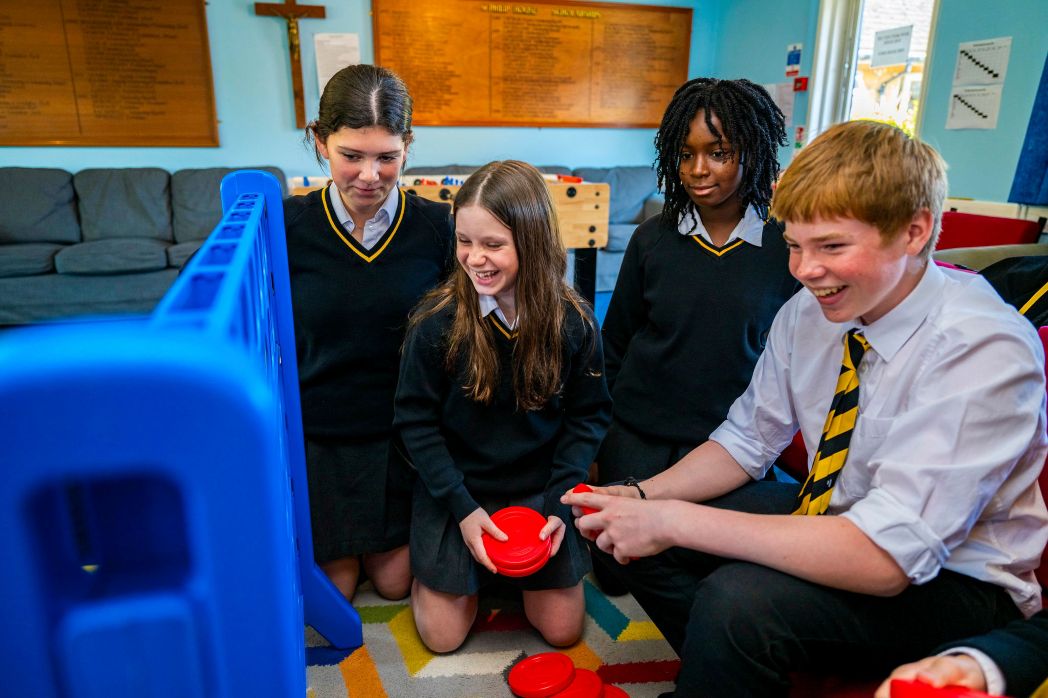
Demanding professional careers often dictate unpredictable hours that complicate standard school runs and evening routines. The continuous provision of a boarding environment offers essential logistical relief, removing the daily stress of traffic and tight schedules.
Providing a calm and safe retreat ensures children are not left waiting in extended wrap-around care facilities or rushed between childminders. This 24/7 support system fosters essential personal growth and independence, allowing young people to develop crucial life skills within a highly supportive, family-focused community.
Many boarding school parents appreciate the peace of mind that comes from knowing their children are engaged in supervised activities, receiving targeted academic support, and eating nutritious, chef-prepared meals.
A central piece of boarding school advice for parents is to view the school as an extension of the family support system, working in tandem to support the child's development. Evaluating life in English boarding schools reveals a practical solution that supports both the child's educational journey and the parents' professional realities.
Are Boarding Schools Good?
The dual benefits of academic progress for the child and absolute peace of mind for the family form the foundation of our educational approach. Achieving strong value-added at GCSE and A Level demonstrates the substantial academic growth our pupils achieve from their initial baseline assessments. The most effective educational environments prioritise character development, emotional intelligence, and resilience alongside standard examination results.
Locating good boarding schools requires looking beyond raw data to examine the actual lived experience of the pupils and the quality of the pastoral care provided. Teaching staff and our dedicated Sixth Form leadership emphasise a clear focus on helping students to think about their future career paths, ensuring comprehensive college preparation rather than just focusing on securing grades.
The structured, consistent environment proves highly beneficial for children, offering them dedicated time for study, socialisation, and rest without the fatigue of a daily commute.
Healthcare in Boarding Schools
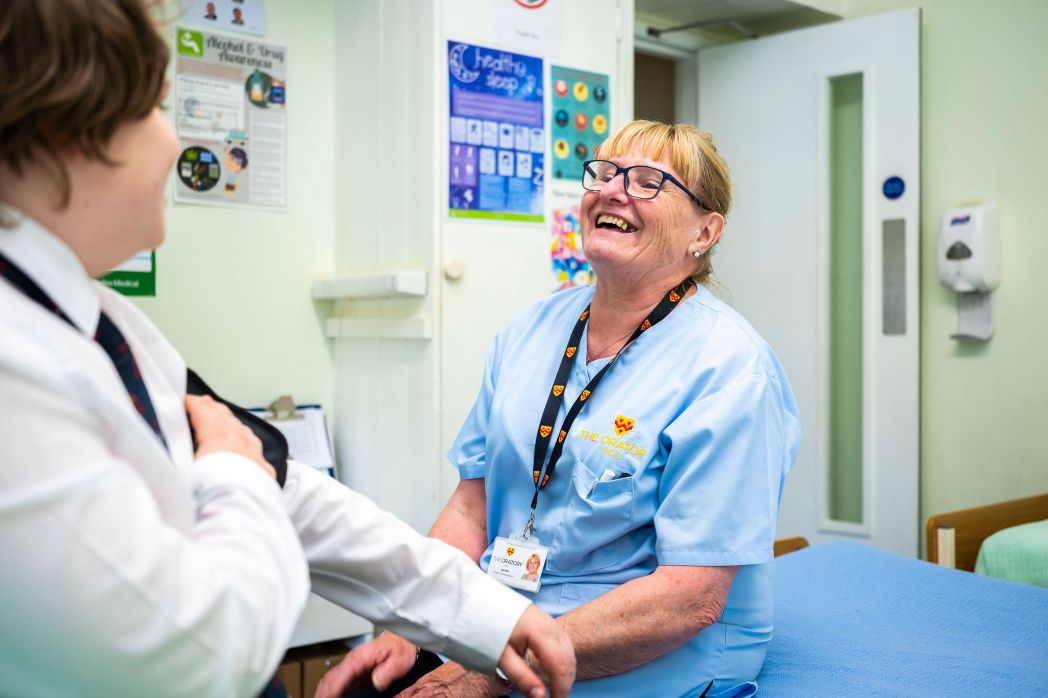
A robust medical infrastructure is essential for maintaining a healthy, active, and focused pupil body throughout the academic term. Immediate access to qualified nurses and local medical practitioners ensures a rapid response when a pupil is unwell or requires routine medical attention.
Protocols for boarding school health care dictate that sick children are immediately assessed, treated, and monitored in our dedicated health centre until they can safely return to routine.
Our SENCo team provides targeted support for mild-to-moderate learning difficulties, creating individual education plans to ensure every academic need is met. Prioritising health and wellbeing in boarding schools requires a proactive approach to physical fitness, emotional stability, and continuous pastoral oversight.
The campus environment is specifically equipped to provide essential sensory first aid, offering calm spaces for time-outs and reflection to ensure every individual is comprehensively supported.
Does Boarding School Affect Mental Health?
The smaller, community-focused scale of our houses prevents pupils from becoming lost in the crowd, ensuring their emotional needs are closely monitored. Consistent routines, robust peer support, and accessible staff create a highly protective environment that actively bolsters emotional stability.
Trained mental health first aiders and resident pastoral teams provide immediate, empathetic guidance whenever challenges arise. Experiencing life in English boarding schools within this secure framework allows children to safely develop resilience, confidence, and a strong sense of personal responsibility.
Role of Pastoral Care in School
Individual attention and character development away from the bustle of city life are fundamental to our educational philosophy and daily operations. Pupils feel safe, secure, and happy within their environment, validating our dedicated approach. The practical application of this support involves continuous monitoring of each pupil's academic progress, social integration, and overall wellbeing by experienced staff.
Pastoral care means providing a dedicated team of housemasters, personal tutors, and resident matrons who know every child individually and track their daily progress. This network ensures that guidance is always available, whether a pupil needs help managing their workload, navigating social dynamics, or preparing for university applications.
What Age Do Boarding Schools Start?
The transition from preparatory schools and affluent village primaries requires a carefully managed integration process to ensure new pupils feel immediately welcomed and secure.
The 11+ and 13+ intakes provide optimal entry points for children to establish friendships, understand the campus layout, and adapt to the academic expectations of secondary education.
Furthermore, our Sixth Form entry at 16+ allows students to integrate swiftly into a busy, enriching schedule focused on higher education preparation.
A bespoke, personal admissions process allows our team to tailor the transition to each individual family, incorporating taster days and detailed consultations. Determining the best age for boarding school depends entirely on a child's emotional readiness, independence, and the family's specific logistical requirements.
Determining the best age for boarding school depends entirely on a child's emotional readiness, independence, and the family's specific logistical requirements. Joining at Year 7 or Year 9 ensures pupils are fully integrated into the community, familiar with the teaching staff, and settled before commencing their critical examination years.
This measured approach guarantees that the step up to senior education is viewed as a positive, supported progression rather than a daunting challenge.
A Supportive Educational Framework
The modern educational landscape demands environments that prioritise consistent care, academic value, and exceptional pastoral support. Providing a nurturing, structured space in South Oxfordshire ensures pupils achieve significant academic progress while maintaining their emotional wellbeing.
The flexibility of weekly and flexi boarding offers essential logistical relief for families balancing demanding professional lives with the desire for a premium educational experience.
Evaluating life in English boarding schools confirms that a continuous care structure guarantees every child receives the individual attention required to build confidence, resilience, and academic success.
Protecting a child's educational development requires an environment built on uncompromising support and continuous care. Arrange a private consultation to discuss your family's requirements.