
Balancing Academic Timetables with Co-Curricular Activities in Schools
Modern independent education must seamlessly balance rigorous value-added academic progression with comprehensive character development. For dual-income professionals managing unpredictable, high-intensity careers, evaluating the integration of co-curricular activities in schools ensures the educational environment functions as a reliable partner, rather than an isolated academic factory, offering personal enrichment alongside rigorous academia in one convenient setting.
True personal development happens when a pupil has the freedom to discover hidden talents, test new disciplines, and build organic self-confidence in a safe, nurturing retreat. Operating as a supportive greenhouse rather than a high-pressure hothouse ensures that learning continues naturally, providing the exact space where every child finds their unique place to excel.
What Are Co-Curricular Activities for Students?
Co-curricular activities represent an intentional, integrated framework of pursuits that run concurrently with academic studies, directly reinforcing the primary curriculum while expanding personal character development. Understanding the functional difference between co- and extra-curricular activities is vital for evaluating a school's operational ethos.
Extracurricular options are traditionally treated as separate, optional additions at the end of the day, frequently requiring parents to manage complex travel arrangements. In contrast, the most effective co-curricular activities in schools are built directly into the timetable, ensuring that every pupil can explore new interests without compromising their academic focus or cutting into family evenings and weekends.
What are the different co-curricular activities?
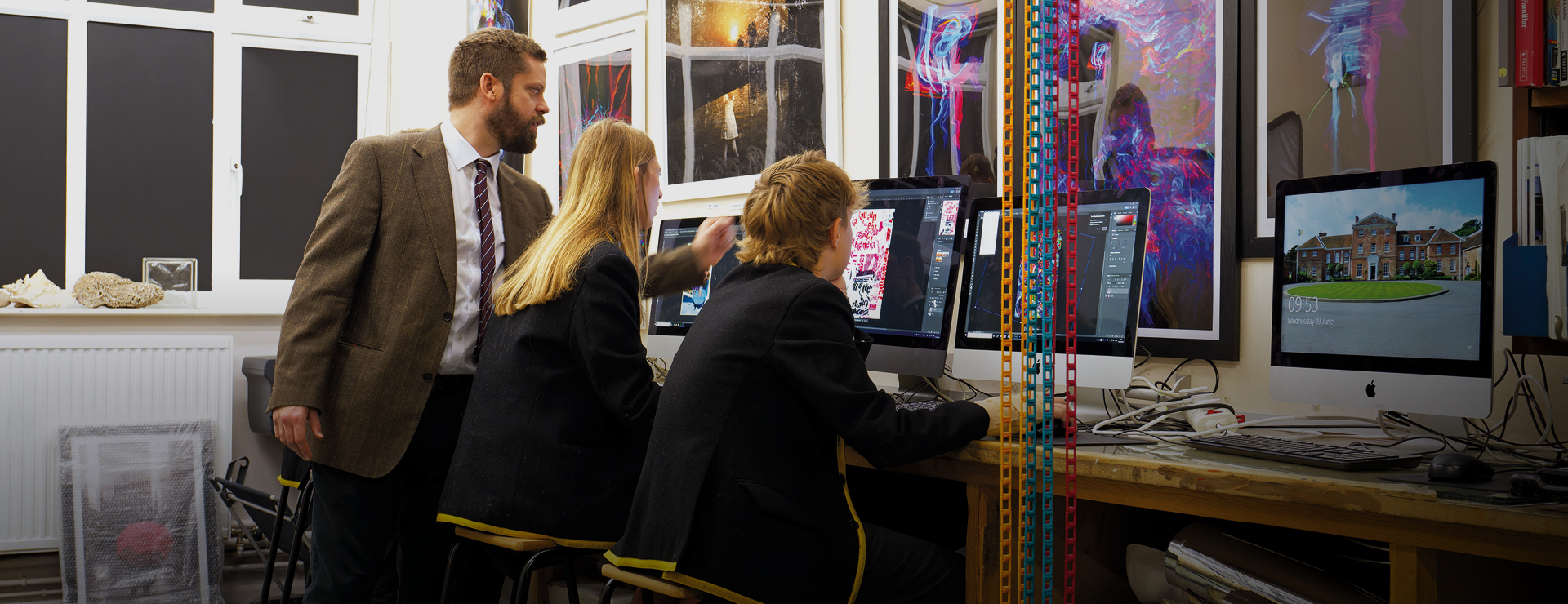
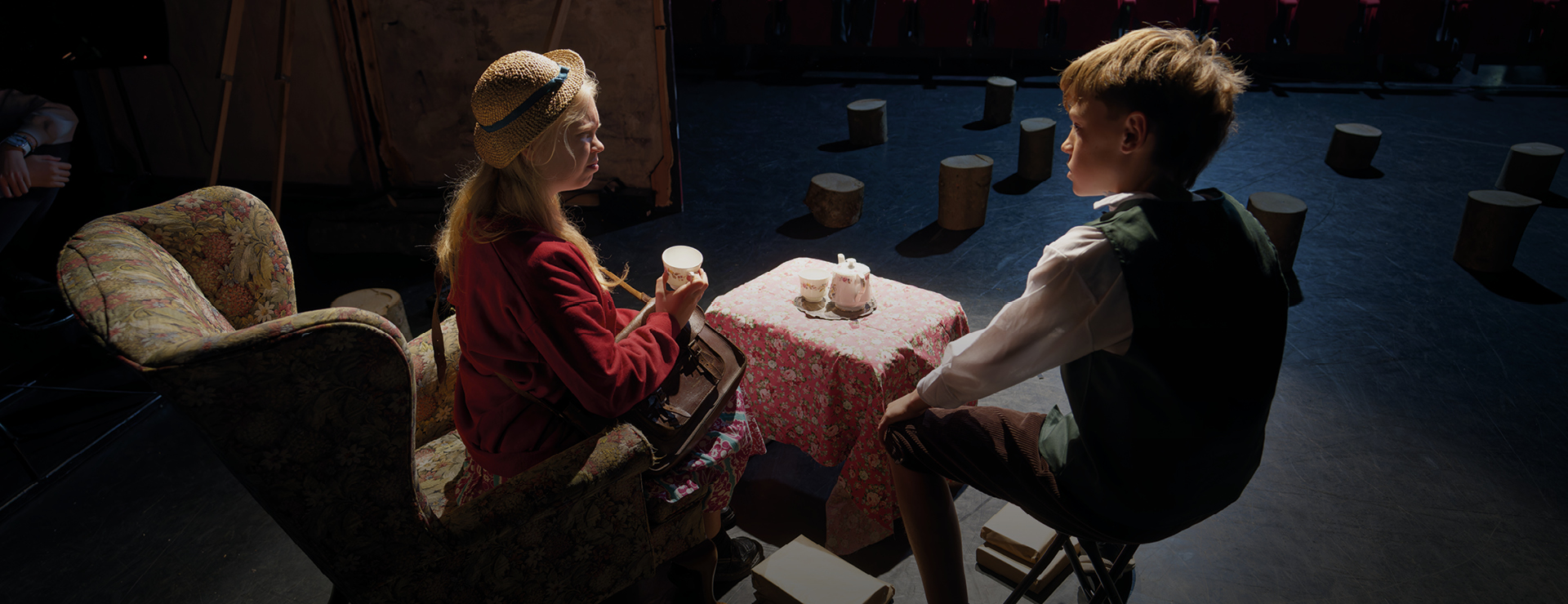
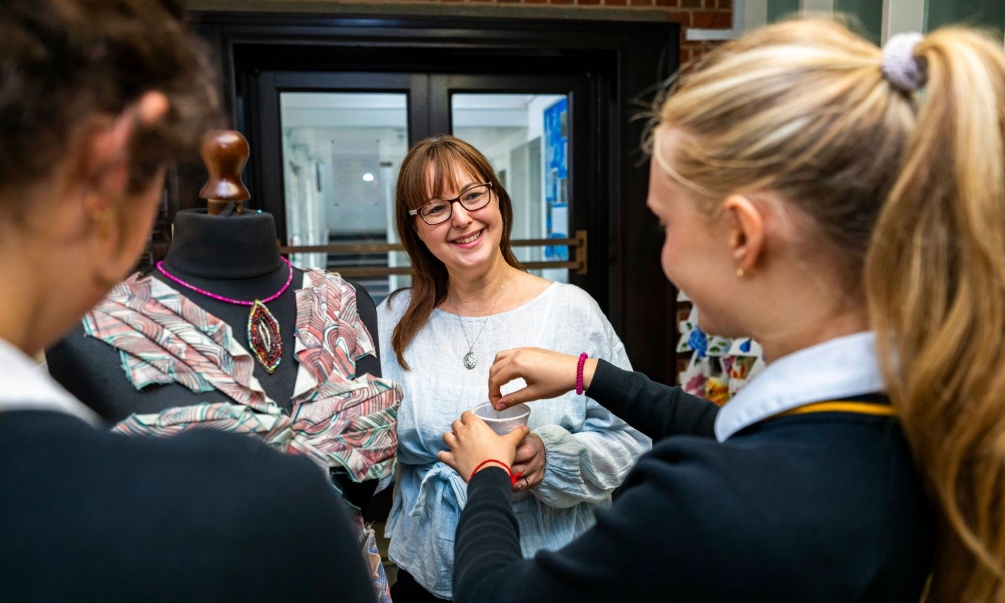
The different types of co-curricular activities in school encompass competitive sporting fixtures, recreational athletics, performing arts, creative design workshops, and intellectual academic societies. A bespoke approach and intentionally smaller school size ensure every individual pupil is deeply understood.
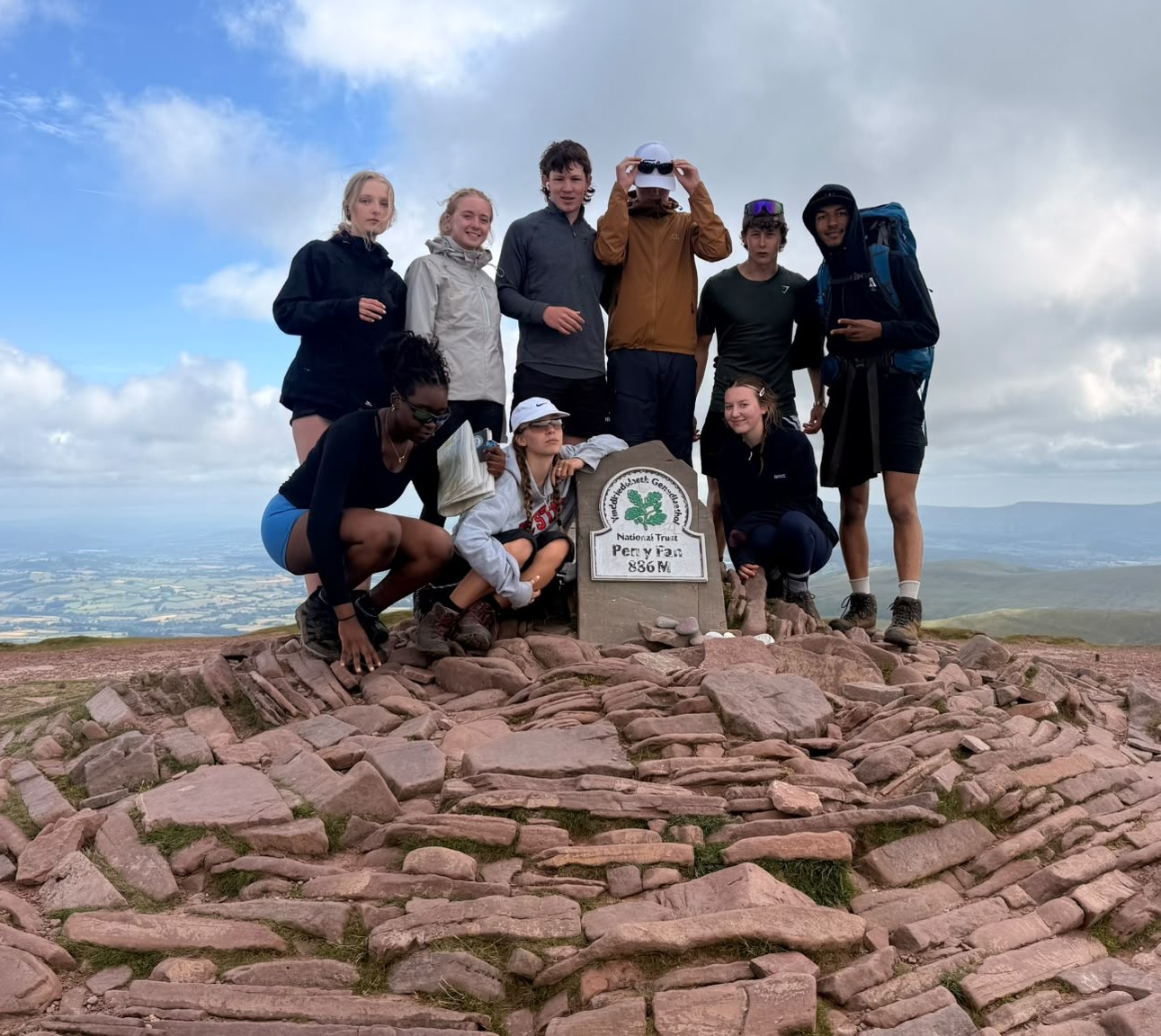
This individual focus identifies personal strengths and areas for development, gently drawing pupils into exciting new pursuits they may not have previously possessed the confidence to attempt. The highly popular Duke of Edinburgh Award builds profound self-belief, with a rare and significant proportion of pupils successfully achieving their Gold award.
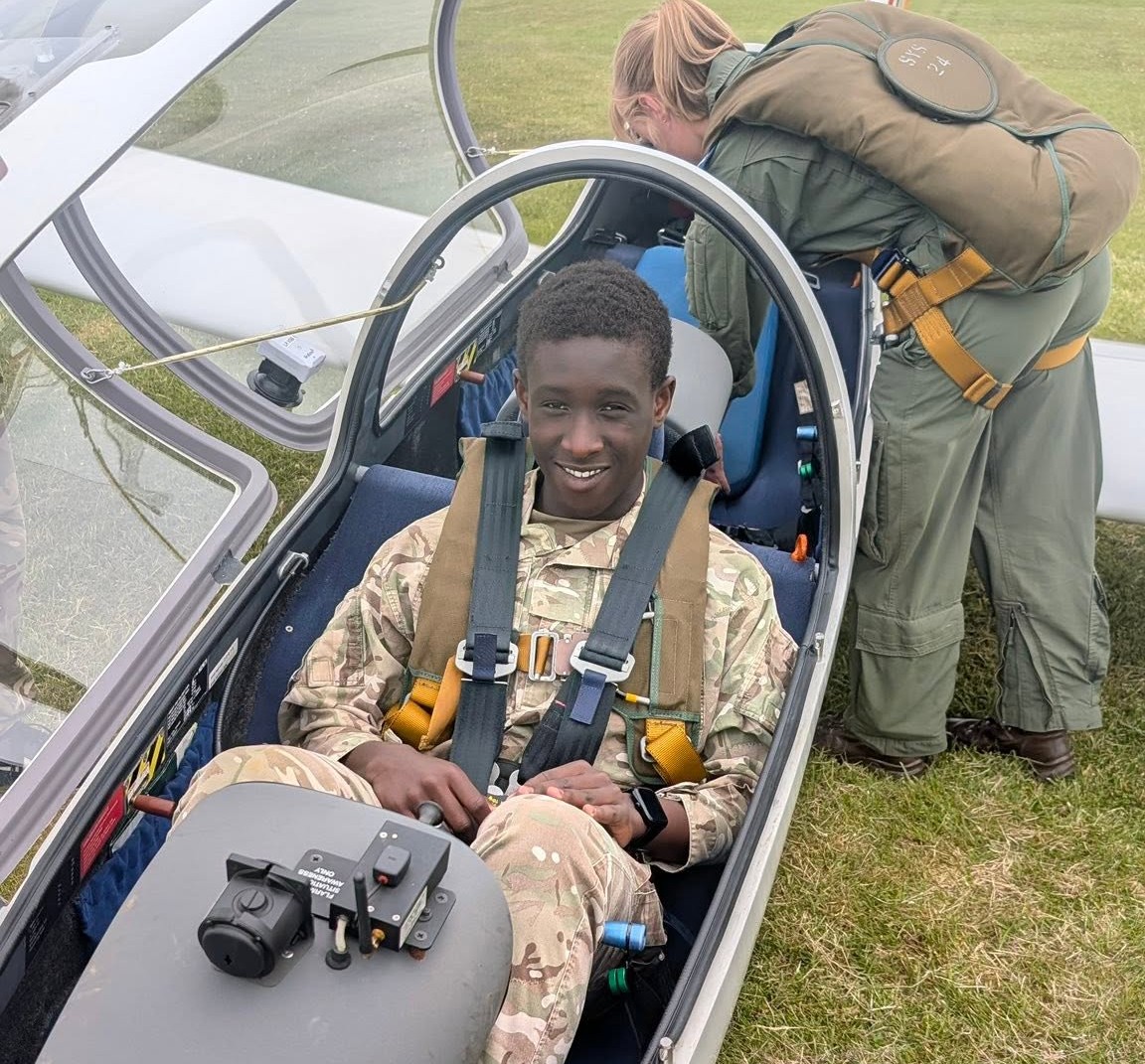
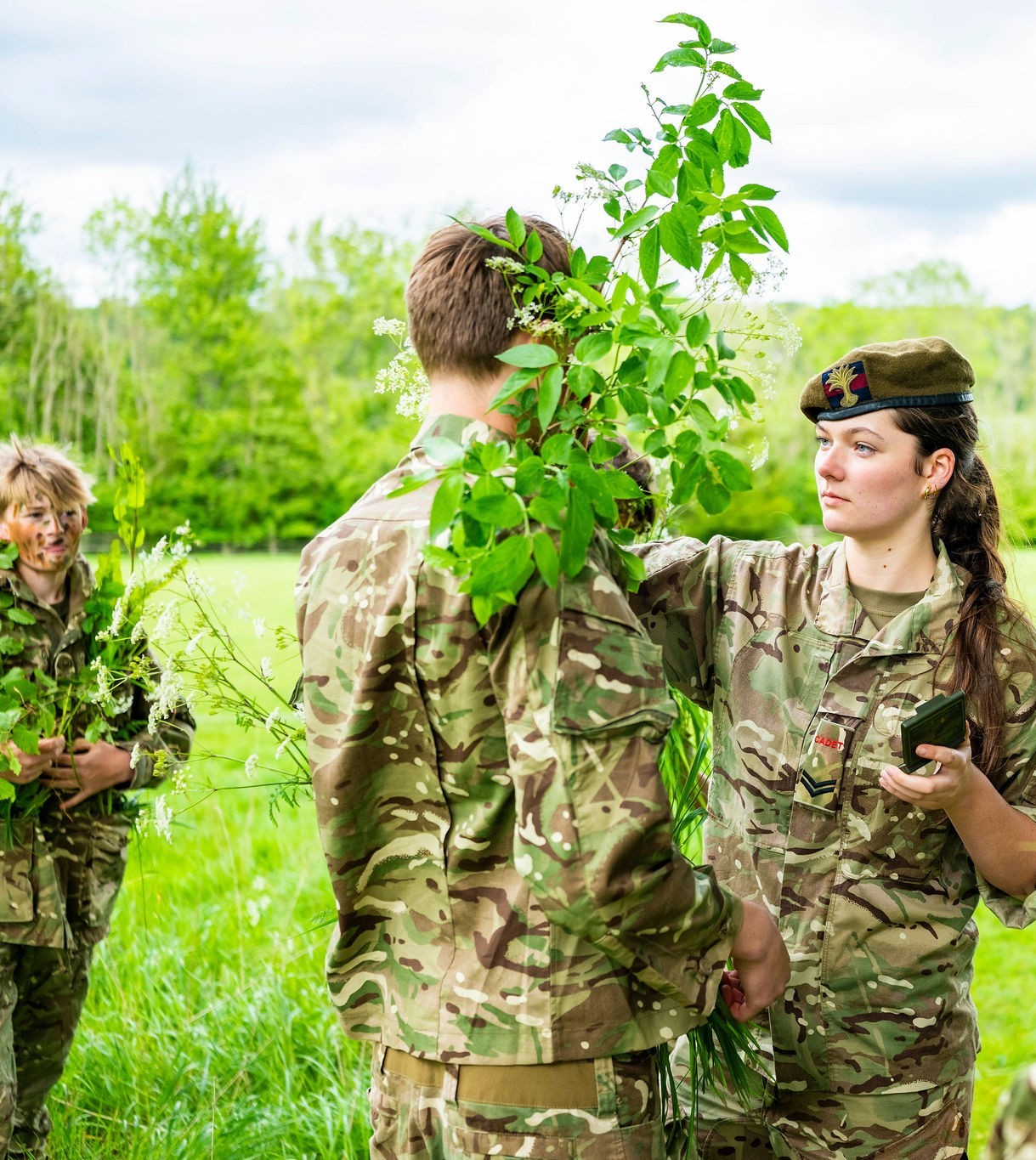
Further opportunities, including the Combined Cadet Force, enables pupils to experience unique activities such as flying at nearby RAF Benson. Beyond essential skill acquisition and teamwork, these activities are fundamentally rooted in fun and shared experiences.
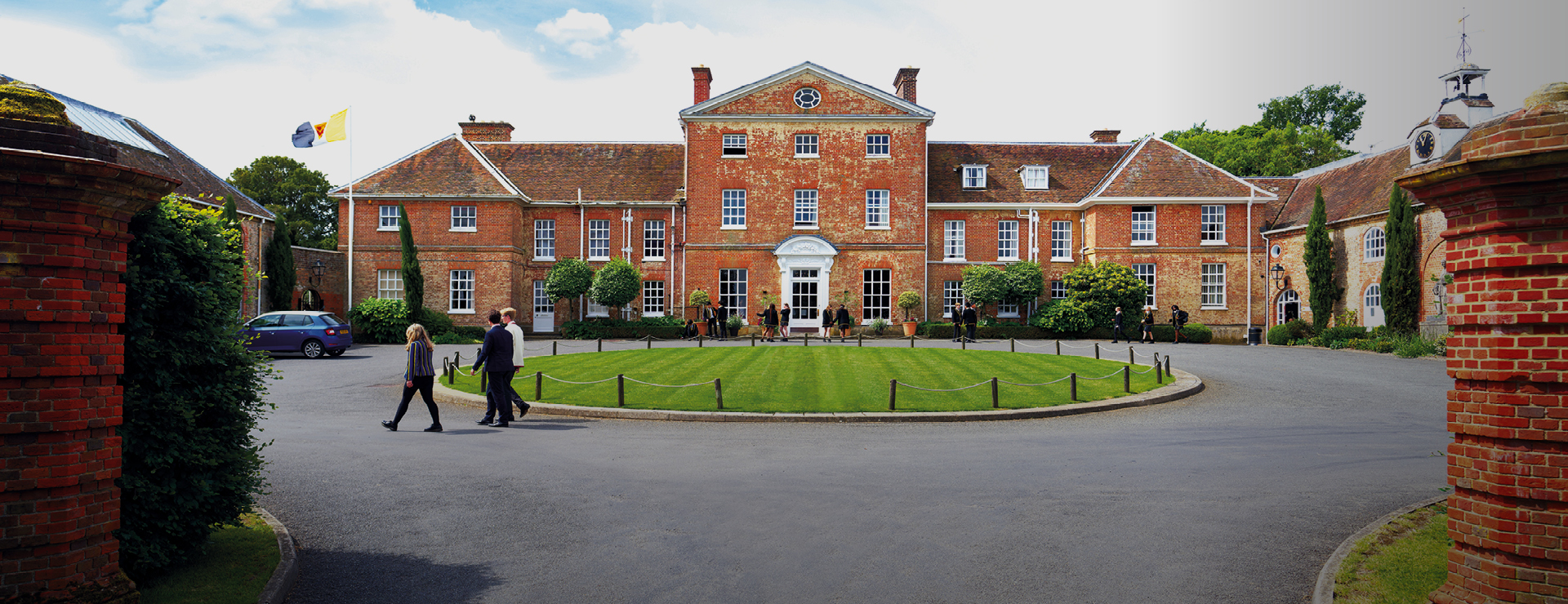
Expanding horizons further, many societies include overseas travel, such as the Model United Nations (MUN) society, which recently attended the Berlin Model United Nations Conference (BERMUN). By weaving these activities into the daily infrastructure across the school’s expansive 100-acre South Oxfordshire grounds, a seamlessly balanced schedule emerges for every pupil.
What is the co-curricular activities branch?
The co-curricular activities branch is the strategic and operational engine that ensures these varied pursuits integrate flawlessly with a student's academic and pastoral timetable. At the helm is our Assistant Head (Co-Curricular & Partnerships), who ensures that our leading co-curricular programmes deliver on their promise. Under their guidance, the branch guarantees that day pupils and boarders alike enjoy entirely equal access to a vast array of educational avenues without logistical friction, ensuring a truly holistic approach to education.
What Are the 4 Types of Curriculum?
A premier educational framework is divided into the explicit academic curriculum, the implicit pastoral curriculum, the integrated co-curriculum, and the hidden curriculum of community values. These four pillars work simultaneously to provide a 24/7 safety net for pupils, supporting mild to moderate learning difficulties and nurturing high achievers alike.
How Co-Curricular Activities Help Students
The direct advantages of comprehensive co-curricular activities in schools extend far beyond physical fitness or artistic expression to form the critical foundation of lifelong resilience. By entirely removing the intense pressure of a forced academic hothouse, pupils explore disciplines where their natural curiosity takes the lead. This supportive environment actively drives strong value-added results at GCSE and A Level, as the self-belief gained on the drama stage or the rugby pitch translates directly into classroom participation.
How do co-curriculars boost student skills?
Specific co-curricular learning opportunities teach pupils how to handle setbacks, communicate within a diverse team, and adapt quickly to new challenges. Whether a pupil is participating in real tennis, learning a new musical instrument, or leading a house debate, they are building a healthy sense of self-understanding that heavily protects them from the risk of early burnout.
What impact do co-curricular activities have on the students?
The core benefits of co-curricular activities in school are especially evident in pupils who may have previously felt overlooked, anonymised, or anxious in larger educational environments. The connection between co-curricular activities and personal growth is profound. As pupils find their unique niche, their daily anxiety decreases and their academic resilience increases. This highly individualised pastoral attention ensures that every child, whether they are a confident sports player or a deeply artistic individual, discovers a true sense of personal purpose.
How to Balance Studies and Co-Curricular Activities
High-intensity careers in medicine, science, and entrepreneurship require an educational partner that completely eliminates logistical friction. By seamlessly integrating co-curricular activities in schools into the standard daily routine, the need for parents to manage fragmented after-school schedules are entirely removed. You receive the absolute peace of mind that comes with seamless 24/7 house care tailored entirely around your demanding schedule. Your child receives the freedom to discover their passions across beautiful, expansive grounds while resting securely in a family-like environment.
The overall level of participation in co-curricular activities naturally remains high because this specific environment removes typical logistical barriers. Day pupils are fully integrated into the houses alongside boarders, ensuring they enjoy supper, prep, and evening activities closely with their peers. This structure prevents any child from waiting in an isolated after-school club and demonstrates healthy co-curricular participation alongside rigorous academic prep.
How to choose the right co-curricular activity?
Identifying the best co-curricular activities for students requires an environment where pupils can test multiple disciplines without fear of failure. Pupils are encouraged to explore a wide variety of options under the careful guidance of their academic tutors, housemasters, and pupil mentors, ensuring they find pursuits that genuinely match their evolving interests.
What Are Career-Orientated Activities?
Career-orientated activities involve structured scenarios that build the empathetic communication skills and cultural awareness required for modern professional life. The journey from early childhood curiosity to confident independence requires highly structured, age-appropriate guidance.
A premium framework introduces foundational career day activities for primary school age ranges, establishing early self-awareness, curiosity, and teamwork. As pupils progress into the senior years, robust career activities for secondary school are integrated, focusing heavily on independent thought, complex debate, and ethical leadership. Engaging in consistent career development activities allows pupils to test their resilience in safe, deeply supportive environments under the watchful eye of dedicated houseparents.
Ultimately, sophisticated career exploration activities and targeted career planning activities ensure that every single student leaves the sixth form as a well-informed, balanced, and empathetic individual fully ready for their next step.
How to Improve Co-Curricular Activities in School
Enhancing a school's broader offering almost always relies on the infrastructure of the environment itself. The true holistic education meaning centres on providing a calm, grounded retreat entirely away from suburban city bustle. This specific holistic approach to education acts as a supportive greenhouse where natural talents flourish organically, directly supported by dedicated housemasters and housemothers fully equipped for sensory first aid and emotional support.
What are the five types of activities?
A thorough timetable balances physical athletics, intellectual pursuits, creative arts, community service initiatives, and leadership roles. Engaging directly with the wider community through dedicated charity work and service projects teaches essential empathy and kindness. Providing varied strengths across these five pillars ensures that pupils never feel forced down a singular path.
What are the most popular school activities?
The most popular pursuits often centre around robust sporting traditions like rugby, hockey, and rowing, but a truly inclusive community places equal prestige on drama, music, and art. The success of these wider co-curricular opportunities heavily relies on giving children the time and physical space to breathe away from screens and intense exam preparation. External inspections consistently confirm that when houses maintain a sense of calmness and purposefulness away from the business of standard school life, pupils feel fundamentally safe, secure, and happy.
The Foundation of a Nurturing Educational Community
The standout feature of any exceptional educational environment is an uncompromising dedication to gold-standard pastoral care. For families seeking a calm retreat from the suburban city bustle, looking closely at how an institution approaches co-curricular activities in schools reveals whether it truly supports the whole person.
Whether your child requires a supportive second chance after feeling lost in a larger academic environment or simply needs the right spacious setting to excel naturally, a deeply rooted heritage provides the perfect foundation. Premium facilities, seamless wrap-around care, and an expansive co-curricular framework combine to let natural curiosity truly flourish without the risk of early burnout.
Arrange a bespoke visit to our expansive South Oxfordshire campus to experience this highly supportive house system first-hand.